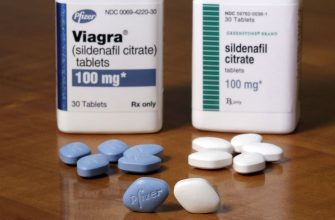
The average price of Viagra in the United States typically ranges from $30 to $60 per pill, depending on various factors such as the pharmacy location and whether you have insurance coverage. Many find that purchasing a generic version of the drug can significantly reduce costs, with prices averaging between $8 and $20 per tablet.
Pharmacy chains like CVS, Walgreens, and Walmart often offer competitive pricing and discount programs. It’s wise to check for coupons or promotions available on their websites to further lower your expenses. If you have insurance, consult your provider for coverage details, as many plans include Viagra under their formulary.
Online pharmacies also present an opportunity for cost savings. Ensure that they are licensed and reputable by checking for VIPPS certification or similar credentials. Purchasing in bulk can lead to additional savings, so consider asking your doctor about a larger prescription if feasible.
Average Price of Viagra in the US
The average price of Viagra in the United States varies based on several factors, including dosage and pharmacy location. Typically, a 50mg tablet costs around $70 to $80 without insurance, while prices may decrease with larger quantities or through generic options.
Generic Viagra Options
Generic Viagra, known as sildenafil, can significantly lower costs. The average price for generic sildenafil is approximately $30 to $40 for a 100mg tablet. Many pharmacies offer discounts or membership programs, further reducing expenses.
Insurance and Discounts
Insurance coverage impacts the final cost. Some plans may cover part or all of the expense for Viagra. Patients should consult their insurance provider to understand benefits. Additionally, discount cards and online coupons can lead to further savings, allowing users to obtain Viagra at a fraction of retail prices.
Being informed about prices and options available helps in making better purchasing decisions for Viagra.
Understanding Cost Variations for Viagra in Different Pharmacies
Prices for Viagra can vary significantly between pharmacies. A key factor affecting these variations is whether the pharmacy is independent or part of a larger chain. Independent pharmacies often have more flexibility in pricing, which can lead to better deals. Checking multiple pharmacies in your area is advisable to compare costs.
Insurance coverage also plays a role. Many insurance plans do not cover Viagra, leading to higher out-of-pocket expenses. If you have insurance, confirm with your provider the extent of coverage. Some pharmacies offer discount programs or loyalty cards, which can reduce costs for frequent purchases.
Generic versions of Viagra, such as sildenafil, usually cost less than the branded product. Comparing prices between brand-name and generic options is wise. Online pharmacies may offer competitive pricing, but ensure they are licensed and reputable to avoid counterfeit medications.
Location influences pricing as well. Urban areas often see higher pharmacy costs compared to rural ones. Local promotions or discounts can change frequently, so keep an eye out for sales or special offers that might apply.
Pharmacy membership programs can yield additional savings. Signing up could grant you access to lower prices and exclusive discounts. Don’t hesitate to ask pharmacists about any current deals or bulk purchase options; they may provide insights on savings.
By actively comparing prices across different pharmacies, considering generics, and leveraging discounts, you can effectively minimize your costs for Viagra.
Factors Influencing the Average Price of Viagra in the US
Generic options significantly lower the average price of Viagra. The introduction of generics like sildenafil has increased competition in the market, leading to reduced prices for consumers.
Insurance coverage plays a key role in determining out-of-pocket expenses. Many plans do not cover erectile dysfunction medications, leaving patients to pay full price. Check your policy for potential coverage and options.
Pharmacy choice impacts pricing as well. Prices vary widely among different pharmacies. Utilize comparison tools to find the best rates available in your area.
Quantity purchased also affects the cost. Buying a larger supply often results in lower per-pill prices. Consider purchasing a 90-day supply rather than a 30-day supply to maximize savings.
Discount programs and coupons offered by manufacturers and retailers can provide significant savings. Actively search for these options to reduce your overall expenses.
Location matters; prices can differ by region. Urban areas tend to have higher prices compared to rural locations. Research local pharmacies in different areas to find competitive pricing.
Finally, fluctuations in production costs and raw materials can influence pricing. Stay informed about market trends and manufacturer pricing strategies to anticipate changes.