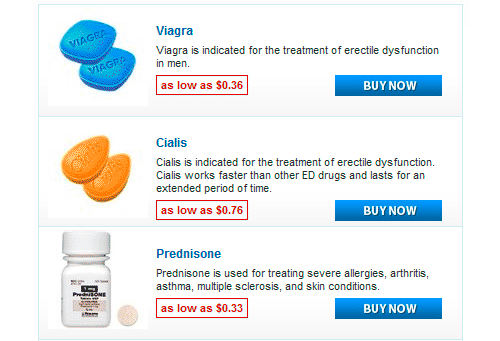
When you look for a picture of generic prednisone, pay attention to the packaging details. The label typically includes the name of the medication, dosage information, and the manufacturer’s logo. This information helps ensure you receive the right product for your needs.
Generic prednisone is often available in various forms, including tablets and oral solutions. Take a moment to recognize the specific shape and color variations that may exist, as these can differ among manufacturers. For instance, some tablets may be round and white, while others could be oblong and yellow. Be mindful of these differences when selecting your medication.
In addition to visual identification, consult with your pharmacist about any specific markings on the pills. Each generic version of prednisone carries its own identification numbers and letters, which are essential for verifying authenticity and avoiding mix-ups. Understanding these details ensures you are well-informed about the medication you are taking.
- Picture of Generic Prednisone
- Identifying Features
- Usage and Safety
- Understanding Generic Prednisone: What It Is
- Visual Representation: Analyzing a Prednisone Pill
- Key Characteristics
- Identifying Dosage Forms
- Differences Between Brand Name and Generic Prednisone
- Formulation Variations
- Cost and Insurance Coverage
- Common Dosage Forms and Their Appearance
- Tablets
- Liquid Solutions
- Identifying Prednisone: Color, Shape, and Imprint
- Safety Precautions When Handling Prednisone
- Personal Safety Measures
- Disposal Guidelines
- How to Verify the Authenticity of Generic Prednisone
- Check Regulatory Approval
- Evaluate the Pharmacy
- Resources for Further Information on Prednisone
Picture of Generic Prednisone
When searching for a picture of generic prednisone, look for images that clearly depict the characteristics typical of this medication. Generic prednisone tablets are usually round or oval-shaped with a smooth coating. They often come in various dosages, commonly marked with numbers or letters to distinguish between strengths. Familiarize yourself with the appearance specific to the brand prescribed to avoid confusion with other medications.
Identifying Features
Check for colors that are commonly used, such as white, yellow, or orange. The imprint on the tablet is crucial for identification; it typically includes the manufacturer’s logo and the dosage. Websites like pharmacy databases or official health sites provide comprehensive references for visual verification. If you have a tablet on hand, compare it with the images found on reputable medical websites to ensure you have the correct medication.
Usage and Safety
Correct identification of prednisone supports safe medication practices. Ensure to store it in its original packaging, clearly labeled, to avoid any mix-ups at home. If you encounter any uncertainties regarding the appearance of your medication, contact your pharmacist for clarification. Regularly check your medications before use to confirm that you have the right prescription.
Understanding Generic Prednisone: What It Is
Generic prednisone is a corticosteroid medication that mimics the effects of natural hormones produced by the adrenal glands. It plays a key role in reducing inflammation and suppressing the immune response. Patients often use it to treat various conditions, including allergies, asthma, rheumatoid arthritis, and certain skin diseases.
Generic versions are usually more affordable while maintaining the same active ingredients as their brand-name counterparts. The FDA closely regulates these products to ensure they meet rigorous standards for quality and efficacy.
Dosage forms typically include tablets, liquid solutions, and in some cases, injections. When prescribed, taking prednisone at the same time each day enhances its effectiveness. Following a doctor’s guidance on tapering the dosage is vital to avoid withdrawal symptoms or rebound effects.
Below is a table outlining common uses and side effects associated with generic prednisone:
| Condition Treated | Common Side Effects |
|---|---|
| Asthma | Increased appetite, weight gain |
| Allergies | Insomnia, mood changes |
| Rheumatoid Arthritis | High blood sugar, stomach irritation |
| Skin Diseases | Fluid retention, increased risk of infections |
Serious side effects may include liver damage and severe allergic reactions. Regular check-ups help monitor any potential complications. Always discuss your medical history with your healthcare provider before starting generic prednisone.
Adhering to prescribed dosages and schedules is critical for achieving the best outcomes while minimizing risks. Patients should avoid abrupt cessation unless directed by a healthcare professional. Understanding the components and effects of generic prednisone will enable better management of your condition.
Visual Representation: Analyzing a Prednisone Pill
To accurately identify a prednisone pill, observe key characteristics such as color, shape, and markings. Prednisone commonly appears as a white or off-white tablet, typically round or oval. Most prednisone pills are imprinted with specific letters and numbers, making it easier to recognize their dosage.
Key Characteristics
- Color: Mainly white or off-white.
- Shape: Round or oval.
- Imprints: Clearly marked with specific identifying codes.
- Dosage: Available in various strengths, commonly 1 mg, 5 mg, 10 mg, 20 mg, and 50 mg.
Always check the markings against a reliable medication database to ensure accuracy. Each dosage has distinct imprints, usually including “PREDNISONE” and a number denoting the strength.
Identifying Dosage Forms
- 1 mg: Generally a small, round white tablet.
- 5 mg: Typically round, often marked with a unique imprint.
- 10 mg: Oval-shaped with greater dimensions.
- 20 mg: Can vary in shape, often a larger oval or elliptical tablet.
- 50 mg: Notably larger, with explicit markings for identification.
For safety, ensure you are taking the correct dosage. Look for signs of any discrepancies in color or shape, which may indicate that the pill is not what it appears. If in doubt, consult a pharmacist or healthcare provider for verification.
Differences Between Brand Name and Generic Prednisone
Generic prednisone and its brand-name counterparts, like Deltasone, share the same active ingredient and exhibit similar therapeutic effects. The primary differences lie in their formulation, cost, and appearance. Generic versions are often more affordable, making them accessible for long-term use.
Formulation Variations
Generic prednisone may contain different inactive ingredients compared to brand-name products. These variations can impact the drug’s absorption and effectiveness for some patients, although the active ingredient remains unchanged. Patients sensitive to certain excipients should consult with their healthcare providers to ensure optimal medication is chosen.
Cost and Insurance Coverage
Generic options typically cost less due to reduced marketing expenses and the absence of brand-name premiums. Many insurance plans encourage the use of generics by offering lower copays. This can significantly decrease out-of-pocket expenses for patients. Always check insurance benefits to maximize affordability.
Common Dosage Forms and Their Appearance
Prednisone commonly comes in several dosage forms, each with distinct appearances that aid identification. The most prevalent forms include tablets, liquid solutions, and delayed-release formulations. Understanding these differences is crucial for proper usage.
Tablets
Tablets are typically round or oval, available in different colors depending on the manufacturer. Standard strengths include 1 mg, 5 mg, 10 mg, 20 mg, and 50 mg. The imprint on each tablet often indicates its strength and manufacturer, making it easier for identification. For instance, a 10 mg tablet may appear orange and oval, while a 20 mg variant might be larger and white.
Liquid Solutions
Prednisone can also be found as an oral liquid solution, usually in concentrations of 5 mg per 5 mL. This form appears as a clear, yellowish liquid. The bottle typically comes with a measuring device to ensure accurate dosing. Always check the expiry date and appearance for any signs of contamination before use.
Identifying Prednisone: Color, Shape, and Imprint
Prednisone tablets typically come in several colors, including white, yellow, and orange, depending on the manufacturer and dosage. Common shapes include round and oval, which are useful for quick identification.
Check the imprint on the tablet for accurate identification. Each manufacturer marks their products with unique imprints, including numbers and letters. For example, the imprint “P 4” usually refers to a 4 mg prednisone tablet. Always compare the imprint with a reliable source to confirm the medication.
When in doubt, consult a pharmacist or medical professional. They can provide clarity on the specific characteristics of prednisone from different manufacturers.
Safety Precautions When Handling Prednisone
Always store prednisone in a cool, dry place, away from direct sunlight and moisture. This prevents unwanted degradation of the medication. Keep it out of reach of children and pets to avoid accidental ingestion.
Personal Safety Measures
When handling prednisone, especially in its bulk form, wear gloves to prevent skin contact. If powdering tablets, utilize a mask to avoid inhalation of particles. Wash hands thoroughly after handling the medication to eliminate any residues.
Disposal Guidelines
Dispose of unused or expired prednisone responsibly. Follow local regulations for hazardous waste disposal. Do not flush down the toilet unless instructed to do so, as this can contaminate water sources. Consult a pharmacist for proper disposal methods.
Stay informed about potential drug interactions. Review your medication list with a healthcare provider, particularly if you are taking other corticosteroids or medications that affect immune function.
Monitor for side effects like mood changes or signs of infection. Report any unusual symptoms to a healthcare professional promptly. Following these precautions ensures safer handling and minimizes risks associated with prednisone usage.
How to Verify the Authenticity of Generic Prednisone
Examine the packaging carefully. Authentic prednisone should have clear labeling, including the drug name, dosage, expiration date, and manufacturer information. Look for any signs of wear or tampering on the package.
Check Regulatory Approval
Ensure the generic prednisone is approved by a reputable regulatory body such as the FDA. You can verify the approval status by visiting their official website or using their drug database.
Evaluate the Pharmacy
- Choose a licensed pharmacy. Verify their credentials through your country’s pharmacy board.
- Look for customer reviews. Research online to see feedback from other customers to gauge their experience.
- Request a prescription. A legitimate pharmacy will require a valid prescription from a licensed healthcare provider.
Compare the appearance of the tablet. Check for consistent color, shape, and imprints with the standard characteristics of prednisone tablets. You can cross-reference this on reputable medical websites or resources.
If unsure, consult a healthcare professional before using the medication. They can provide guidance and assist in verifying the drug’s authenticity. Always prioritize your health and safety.
Resources for Further Information on Prednisone
Consult the National Institutes of Health (NIH) website for detailed pharmacological information about prednisone, including dosage guidelines and side effects. This site offers a wealth of medical resources for both patients and healthcare providers.
The Food and Drug Administration (FDA) provides comprehensive information about drug approvals and safety warnings related to prednisone. Access their website for updates on any recalls or safety alerts.
The American Academy of Allergy, Asthma & Immunology (AAAAI) features articles and research on the use of prednisone in treating allergic conditions and asthma. This can help you understand specific treatment protocols.
Visit Drugs.com for user reviews and discussions surrounding prednisone experiences. This platform includes a community where individuals share personal insights and advice.
The Mayo Clinic’s website offers easy-to-read guidelines on prednisone, managing side effects, and what to discuss with your doctor. Their resources emphasize patient education and informed decision-making.
For peer-reviewed research articles, explore PubMed. This database provides access to studies and clinical trials involving prednisone, helping you stay informed about the latest findings.
Your local pharmacist is another valuable resource. They can answer questions regarding prescription details, interactions with other medications, and refill processes, enhancing your understanding of how to manage your regimen safely.